
There has been a lot of hype about green tea over the last few years, with a lot of supplement companies coming out with green tea products advertised to help you lose weight. So, what is the truth? Does green tea really help you lose weight?
The answer is yes; there is an overwhelming amount of evidence that green tea does aid in weight loss, especially when it comes to losing belly fat. Green tea also has some other health benefits.
What the Studies Show About Green Tea and Belly Fat
A 2004 study published in In Vivo followed mice for a period of 16 weeks. In the mice that were fed green tea powder, 78% more of them lost visceral fat than in the control group that did not receive green tea. Visceral fat is associated with a high incidence of metabolic syndrome and type 2 diabetes. Green tea also decreased the levels of triglycerides in the blood. Triglycerides is the chemical form of fat as it moves around the body.
Another study on humans published in January 2005 in the American Journal of Clinical Nutrition showed that green tea did reduce body fat. This study followed 38 men who had normal weight or were overweight. The men consumed one bottle of green tea daily. The study showed that they lost weight, decreased their BMI, body fat mass, and subcutaneous fat, and lost inches around the waist.
How Green Tea Works to Reduce Belly Fat
The exact mechanism for how green tea reduces belly fat is not known, but three fat-loss ingredients are suspected to be beneficial. Green tea contains caffeine, theanine, and catechins. These ingredients inhibit gastric and pancreatic lipases, the enzymes that help digest fat in the body. They also inhibit fatty acid synthetase, the enzyme that turns digested fat into a form that the body can store as fat. Together, these ingredients decrease the amount of fat that is absorbed by the body and inhibit fat storage. This is powerful when you are trying to lose weight.
How to Use Green Tea to Help You Lose Belly Fat
There are a lot of options when it comes to using green tea. A lot of supplement products are on the market, but their efficacy is not known. The best course is to enjoy freshly brewed tea if you like the flavor. Go for freshly brewed tea, however. Bottled green tea may not have the same levels of helpful caffeine, theanine, and catechins found in freshly brewed tea.
Three to five cups daily is enough to give you all the health benefits of green tea. You need green tea, though. Other kinds of tea have not been shown to help you lose belly fat. One of the studies compared green tea to oolong tea, and oolong tea did not have the same benefits.
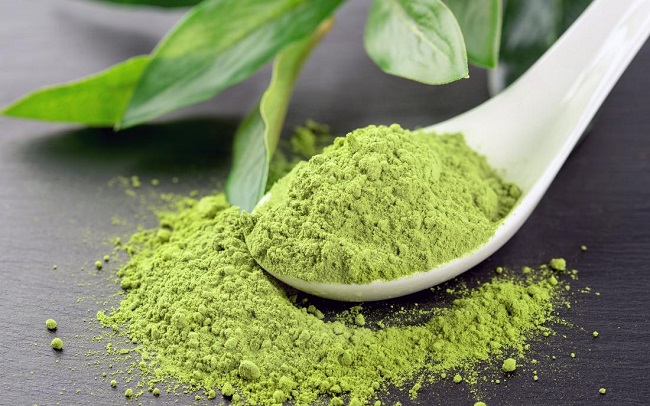
If you do not enjoy brewed tea, then take green tea powder supplements. Look for a reliable supplier that provides pure green tea powder that has not been processed further in any way.
More Details: https://www.drjohndiazfacialprocedures.com/


 Do you want to be muscular in a natural way? Then you will find the best bodybuilding tips here. Everyone can, through work, physically grow an embellished and ultimately body build. It is of course just how much time and effort you want to put into it yourself. We take you through a list of bodybuilding tips from professionals: